

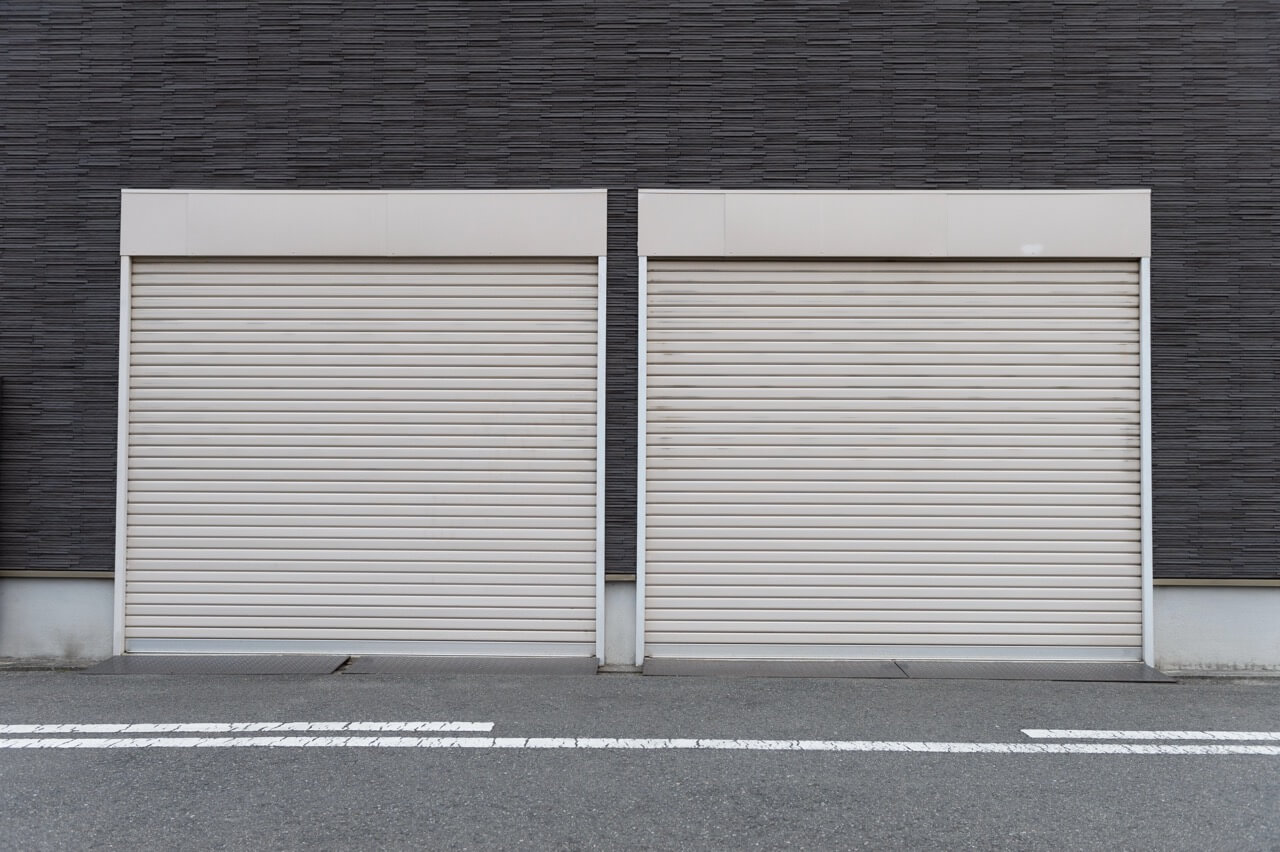
Understanding and implementing strategies for enhancing energy efficiency in commercial buildings is more critical than ever. This article provides a comprehensive look at the vital role commercial doors play in achieving these energy goals, exploring key concepts, standards, and practical measures to reduce energy consumption and enhance building performance.
Understanding Energy Efficiency in Commercial Doors
Definition of Energy Efficiency
Energy efficiency, in the context of commercial buildings, refers to minimizing energy use while maintaining or improving performance, comfort, and productivity. For commercial doors, this means reducing energy loss through the thermally efficient door system, including the door, frame, and seals. Improving energy efficiency not only lowers energy bills but also contributes to a more sustainable environment.
Importance of Energy Efficient Commercial Buildings
Energy-efficient commercial buildings are vital for several reasons. They offer many advantages, including:
- Reducing energy consumption, leading to significant energy savings and lower operating costs.
- Decreasing the environmental impact of buildings.
By choosing well-insulated, tightly sealing, and durable commercial doors, you can reduce energy consumption, lower operational costs, and create a more sustainable facility. Commercial applications that enjoy the greatest benefits from a high-performance, low U-factor roll steel door include warehouses and manufacturing facilities with loading docks, which can significantly reduce energy costs. Commercial storefronts and educational facilities also enjoy the benefits of energy-efficient commercial buildings.
Overview of Energy Codes and Standards
Energy codes and standards, such as ASHRAE 90.1 and IECC, set the baseline requirements for energy conservation in buildings. These codes and standards have several key characteristics:
- ASHRAE 90.1 and IECC are internationally recognized codes and standards used in the United States for building energy efficiency.
- Both ASHRAE 90.1 and IECC follow 3-year cycles.
- The IECC also increases efficiencies in certain areas, which means that in some cases, the IECC can be more stringent than the ASHRAE standard.
IECC references ASHRAE as an alternative path in section C401.2 (Application).
Types of Commercial Doors and Their Energy Performance
Steel Doors and Their Benefits
Our robust steel door options are essential for commercial buildings needing durability and security. These steel doors are built to withstand the rigours of industrial use and require minimal maintenance, providing long-lasting performance. While steel door options aren’t inherently the most energy-efficient, when properly insulated, they can contribute to the overall energy efficiency. The strength and longevity of steel doors makes them a wise investment.
Insulated Doors: Enhancing Thermal Performance
Our insulated door options are designed to minimize thermal transfer and reduce energy usage within your commercial building, ultimately helping to save energy. These insulated door options are constructed with high-quality materials that offer excellent insulation properties, helping to maintain a consistent interior and exterior temperature and reduce overall energy consumption. Insulated roll doors engineered for climate control improve energy efficiency and typically feature double-wall construction with an insulated core.
Roll Doors and Energy Efficiency
Roll doors offer unique benefits when it comes to energy efficiency. High-speed roll door options open and close rapidly, reducing the amount of time they remain open and therefore, limiting the loss of conditioned air. Selecting roll doors can be a practical way to reduce energy consumption in commercial buildings, especially in high-traffic areas. By minimizing air infiltration and energy loss, high-speed roll door options contribute to energy savings.
Key Features That Improve Energy Efficiency
Thermal Break Technology
A thermal break is the strategic placement of material with low thermal conductivity to reduce the flow of thermal energy between parts of building components or materials, enhancing the performance. Thermal breaks significantly improve the energy efficiency of commercial building components, resulting in a lower, better U-factor rating. To create a thermal break, manufacturers use low-conductivity materials in the guides to improve the thermal performance.
Effective Insulation Materials
Selecting effective insulation materials is critical for maximizing energy efficiency.
Insulated roll steel door options engineered for climate control typically feature double-wall construction where the steel slats of the door curtain are configured in two layers, which create a hollow space or core between the layers for insulation material. The insulation may be polyurethane, polystyrene, or, in some cases, mineral wool for additional fire safety benefits.
Sealing and Frame Design Considerations
Air leakage around door options is another critical factor that affects energy efficiency. Gaps and leaks can quickly allow conditioned air to escape and unconditioned air to enter, leading to increased energy use and higher energy cost. Door options are engineered for a precise fit, ensuring that they close tightly and minimise air infiltration. This helps improve the overall energy efficiency of your building and reduce energy consumption.
Strategies for Improving Energy Efficiency in Commercial Buildings
Implementing ASHRAE Standards
Implementing ASHRAE Standard 90.1 is a crucial strategy for improving energy efficiency in commercial buildings.
ASHRAE 90.1 establishes minimum requirements for the energy-efficient design of commercial buildings, focusing on various aspects of the building envelope, including commercial door options. Compliance with ASHRAE 90.1 can lead to significant energy savings and reduced energy consumption. Understanding ASHRAE is vital to ensure compliance and make sure that commercial buildings are energy-efficient.
Evaluating Door Assembly Ratings
Evaluating door assembly ratings, such as the U-factor and R-value, is essential when selecting energy-efficient types of door options for commercial use. A low U-factor and high R-value indicate better thermal performance, resulting in reduced energy loss and improved energy efficiency. Considering these ratings helps in choosing the best commercial door to improve energy efficiency in a building.
The U-factor measures the thermal transmittance, or the rate of heat transfer, through a door assembly, while the R-value measures its thermal resistance, or the door’s ability to resist heat flow.
Compliance with International Energy Conservation Code
Compliance with the International Energy Conservation Code (IECC) is another important strategy for enhancing energy efficiency in commercial buildings.
Meeting IECC standards leads to a reduction in energy consumption and results in substantial energy savings, helping to save energy in the long run.
The IECC is a model energy code that references the ASHRAE 90.1 standard, providing a comprehensive set of guidelines for building energy conservation. By adhering to the IECC, building owners and managers can ensure that their facilities meet minimum energy efficiency requirements.
Calculating Energy Savings from Efficient Doors
Understanding U-Factor and Its Importance
Understanding the U-factor and its importance
is vital for calculating energy savings from energy-efficient doors. A low U-factor commercial door translates into measurable energy cost savings for end users, as it indicates better thermal performance.
The U-factor measures the thermal transmittance of the entire rolling door assembly, taking into account all points in the assembly, including the door, frame, and seals. By reducing heat transfer, a door with a low U-factor helps to maintain consistent interior and exterior temperatures, reducing energy use.
Estimating Impact on Energy Bills
Estimating the impact on energy bills involves calculating the potential energy savings achieved by installing thermal breaks or insulated door options.
Insulated rolling steel doors with optimal thermal breaks do a measurably better job of preventing heat loss and minimizing heat gain, which will improve energy efficiency and help save energy.
Strategically integrating thermal breaks into insulated rolling steel door options offers multiple benefits, particularly for commercial applications where roll doors stand between climate-controlled indoor spaces and the outdoor elements.
Long-term Benefits of Energy Efficient Doors
The long-term benefits of energy-efficient door options extend beyond immediate energy savings. Specifying roll steel door options with thermal break technology can not only enhance energy efficiency but also provide long-term utility cost savings, comfortable indoor conditions, and greater operational effectiveness.
High-quality commercial door options are designed for durability and longevity, ensuring they withstand daily use and environmental conditions. This durability helps maintain their energy efficiency benefits throughout their lifespan.
Note: Energy performance ratings for windows, doors, and skylights are certified by the National Fenestration Rating Council (NFRC), an independent nonprofit organization that provides standardized testing and labeling for fenestration products.
Frequently Asked Questions
What is the most important factor for commercial door energy efficiency?
The U-factor is the most critical measurement for commercial door energy efficiency. It measures thermal transmittance – how much heat transfers through the door assembly. According to the U.S. Department of Energy, a lower U-factor indicates better insulation performance. For commercial applications, look for doors with U-factors below 0.30, with insulated roll doors featuring thermal breaks providing the best performance for loading docks and warehouse applications.
How do ASHRAE 90.1 and IECC standards differ for commercial doors?
Both ASHRAE 90.1 and the IECC establish minimum energy efficiency requirements, but they serve different purposes. ASHRAE 90.1 is primarily used as a design standard and provides detailed technical requirements for commercial buildings. The IECC is a model building code adopted by states and municipalities. While both follow 3-year update cycles, the IECC sometimes imposes more stringent requirements in certain areas and references ASHRAE 90.1 as an alternative compliance path.
What type of insulation works best in commercial roll doors?
Double-wall construction with polyurethane foam insulation provides the best thermal performance for commercial roll doors. This configuration creates a hollow core between steel slats that’s filled with insulation material. Polyurethane offers superior insulating properties compared to polystyrene, while mineral wool insulation may be specified for applications requiring additional fire safety benefits. The key is ensuring continuous insulation coverage combined with thermal breaks to minimize heat transfer.
How much can energy-efficient commercial doors reduce operating costs?
Energy-efficient commercial doors can reduce heating and cooling costs by 10-30% in facilities with significant door openings, such as warehouses and manufacturing plants. The actual savings depend on factors including climate zone, building size, door usage frequency, and the U-factor improvement over existing doors. High-speed roll doors provide additional savings by minimizing the time doors remain open, reducing conditioned air loss. Thermal break technology and proper sealing can deliver measurable utility cost reductions within the first year of installation.
What certifications should I look for when selecting energy-efficient commercial doors?
Look for doors certified by the National Fenestration Rating Council (NFRC), which provides standardized testing and labeling for energy performance. NFRC certification ensures products meet precise testing standards for U-factor, air leakage, and other performance metrics. Additionally, verify that doors comply with ASHRAE 90.1 requirements and local IECC building codes. Energy Star certification may also be available for certain commercial door products, indicating they meet government efficiency standards.